
Why Stinkbugs Invade Homes and Buildings
To control stinkbug invasions, local service providers can identify why stinkbugs invade homes and buildings and implement effective removal and prevention strategies.
Many property owners notice an increase in stinkbugs during certain times of the year and wonder why these insects are suddenly appearing inside homes and buildings. Understanding the reasons behind stinkbug invasions can help residents and managers take practical steps to prevent unwanted guests from settling in. Typically, stinkbugs seek shelter indoors to escape colder temperatures or harsh weather conditions, especially when their outdoor habitats become less hospitable. They are also attracted to structures with easy access points, such as gaps around windows, doors, and vents. Recognizing these common triggers can motivate property owners to explore effective stinkbug invasion control options offered by local service providers, ensuring a more comfortable and pest-free environment.
For those dealing with recurring stinkbug issues, connecting with experienced local contractors can provide tailored solutions to address the root causes of invasions. These professionals often focus on identifying entry points and implementing targeted exclusion methods to keep stinkbugs outside where they belong. Learning about why stinkbugs invade homes and buildings highlights the importance of proactive measures, which local experts can assist with, to minimize disruptions and maintain a pest-free space. Keep reading to discover practical strategies and how local contractors can help manage and prevent stinkbug invasions effectively.
- Stinkbug invasion control services are needed when homeowners notice large numbers of bugs gathering around entry points and seek local contractors to remove them effectively. Exterior sealing and barrier treatments are common approaches used by local pros to prevent stinkbugs from entering buildings. When stinkbugs become a persistent nuisance inside living spaces, professionals can perform targeted interior treatments to reduce their presence. Local contractors often recommend inspection and exclusion methods to address the underlying causes of invasion. These services are essential for those wanting to minimize stinkbug entry and avoid future infestations.
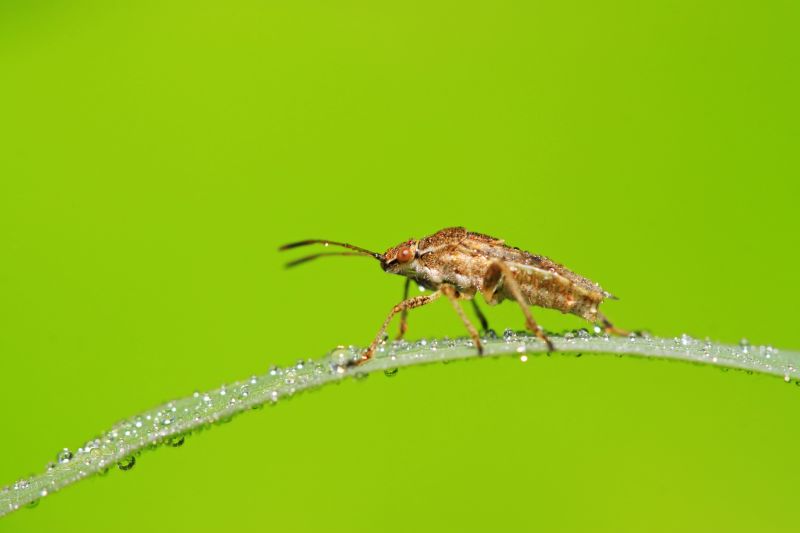
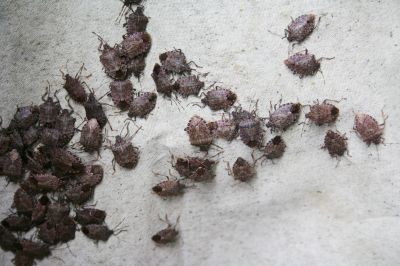
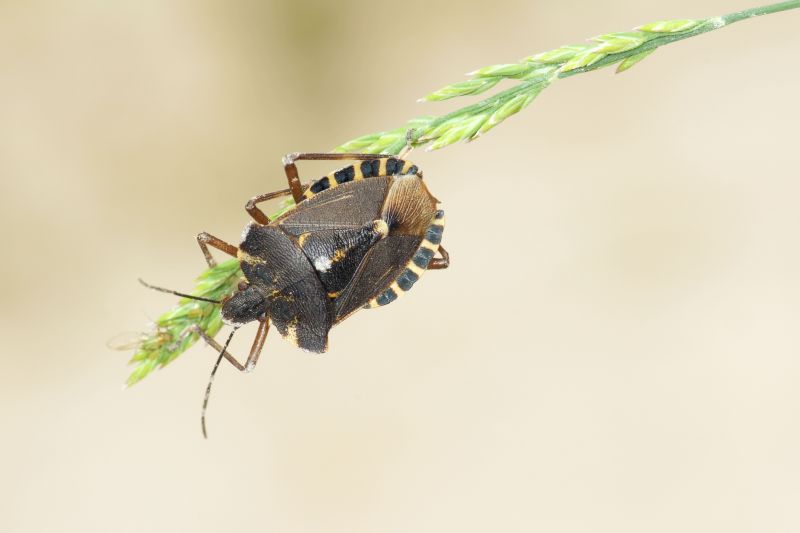
Understanding why stinkbugs invade homes and buildings is a common concern among homeowners, especially during certain times of the year. Many people searching this topic want to know what attracts these insects indoors and how they can prevent or manage infestations. Stinkbugs tend to enter structures seeking warmth, shelter, and food sources, often during the fall when they are looking for a place to overwinter. Recognizing these behaviors helps homeowners identify why stinkbugs are appearing in their living spaces and what steps might be necessary to keep them out.
The problems associated with stinkbug invasions often relate to nuisance and the potential for indoor pests to become a persistent annoyance. While stinkbugs do not cause structural damage or bite, their presence can be unsettling, and their strong odor can be difficult to eliminate once they are inside. Many property owners also consider their invasion part of a larger pest management plan, especially if infestations become large or recurring. Local service providers who specialize in stinkbug control can assist with targeted solutions to reduce or eliminate these insects from homes and buildings, helping homeowners regain comfort and peace of mind.
Properties most commonly affected by stinkbug invasions include residential homes, especially those with gaps or cracks in windows, doors, and walls that provide easy entry points. Attics, basements, and garages are also typical areas where these insects seek shelter. Commercial buildings, particularly warehouses or storage facilities, may experience similar issues if they have openings or are located near agricultural areas where stinkbugs are prevalent. Understanding the types of properties prone to invasion allows homeowners and property managers to focus on preventative measures, with local contractors offering tailored solutions to seal entry points and reduce attractants.
For homeowners dealing with stinkbug invasions, connecting with experienced local contractors can be an important step toward effective control. These service providers can assess the property to identify vulnerabilities that allow stinkbugs inside and implement strategies to block their entry. They may also offer removal and exclusion services to prevent future invasions, making it easier to manage the problem over time. Since stinkbug behavior is driven by environmental factors and property conditions, working with local pros ensures that control methods are practical and suited to the specific property, helping homeowners address the issue directly and efficiently.
Home sealing projects involve identifying and sealing entry points that attract stinkbugs, which is similar to pest exclusion efforts for other insects and pests. Local contractors can assess and implement effective barriers to prevent invasions.
Insect proofing services focus on installing screens, weather stripping, and barriers, aligning with techniques used to block stinkbugs from entering buildings. These projects require planning and knowledge of structural vulnerabilities.
Building inspection services include identifying structural issues and entry points that can lead to pest invasions, similar to assessing why stinkbugs invade homes and buildings. Inspectors help pinpoint vulnerabilities that attract pests.
Storm window and door installation projects help improve building defenses against pests by reducing gaps and drafts, which are common entry points for stinkbugs and other insects. Local pros can ensure tight seals and proper installation.
Vent and chimney cap installation projects prevent pests from entering through vents and chimneys, a common pathway for stinkbugs. These services involve planning and precise installation to block access points.
Structural repair services address cracks, gaps, and damage that can serve as entry points for pests, including stinkbugs. These projects require careful planning and execution to secure the building envelope effectively.
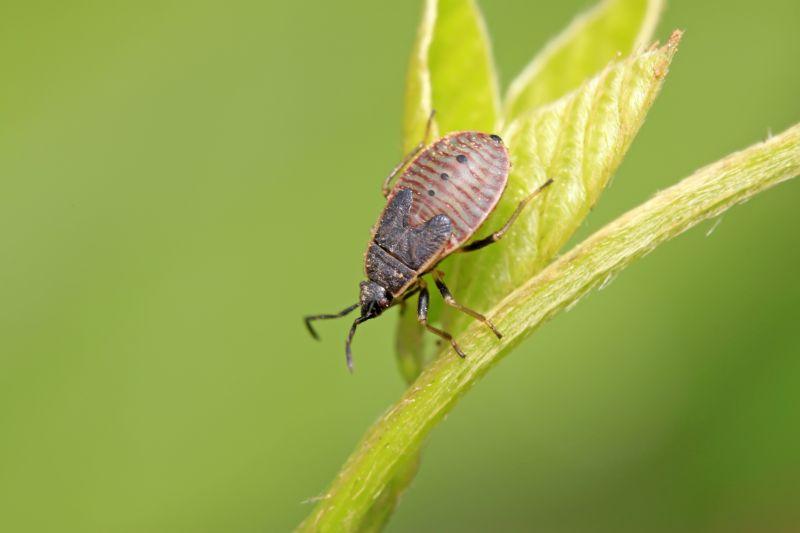
When comparing service providers for stinkbug invasion control, it is important to consider their experience with similar projects. Homeowners should look for local contractors who have a proven track record of addressing issues related to stinkbug infestations in residential or commercial settings. An experienced professional will understand the common entry points and behaviors of stinkbugs, enabling them to develop effective strategies for preventing future invasions. Checking for references or reviews that highlight successful past work can provide additional confidence in a contractor’s ability to handle the specific challenges posed by stinkbug invasions.
Clarity in written expectations is another key factor when evaluating local contractors. A reputable service provider should be able to clearly outline the scope of work, what methods will be used, and what results can reasonably be expected. This helps ensure that homeowners and contractors are aligned from the start, reducing misunderstandings or surprises later on. It’s beneficial to ask for detailed written descriptions of the proposed treatment plan, including any recommended follow-up measures, so that homeowners can make informed decisions about the services they choose.
Effective communication is essential throughout the process of managing stinkbug invasions. Homeowners should seek out service providers who are responsive, transparent, and willing to answer questions in plain language. Good communication fosters trust and ensures that any concerns or updates are addressed promptly. Reputable local contractors often have a history of maintaining clear, ongoing dialogue with clients, which can make the entire process smoother and more predictable. When comparing options, considering how well a service provider communicates can be just as important as their experience or expertise in handling stinkbug issues.
Property owners often search for why stinkbugs invade homes and buildings when they are planning practical projects around their homes and businesses. Local pros provide Stinkbug Invasion Control services for everyday jobs and straightforward project options.
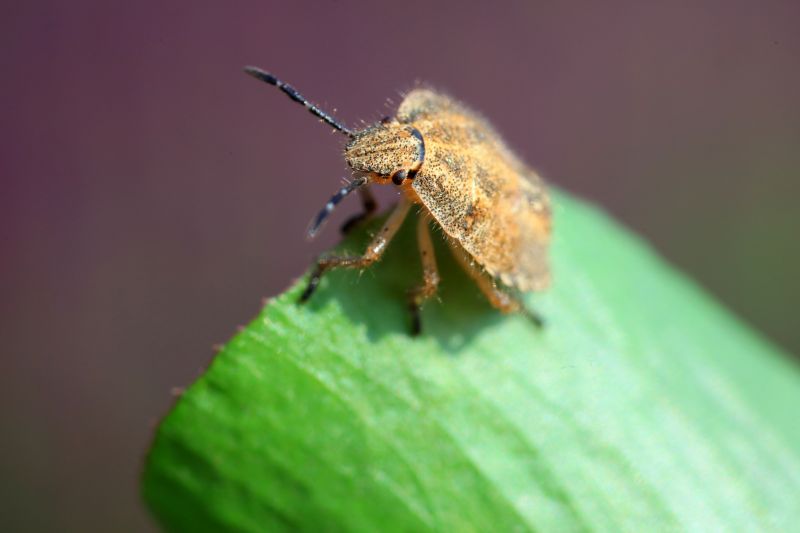
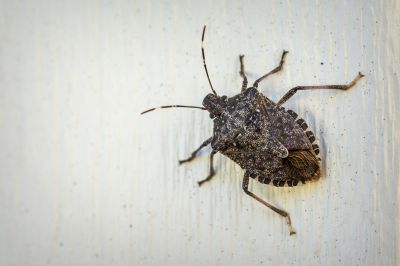
Stinkbugs tend to invade homes and buildings primarily during the fall and early winter months when they seek warmth and shelter for the colder seasons. They are often attracted to structures with cracks, gaps, or openings around windows, doors, and vents, making it easier for them to slip inside. Property owners in the area might notice these insects gathering in attics, wall voids, or near entry points, prompting concerns about an infestation. To effectively handle these invasions, many turn to local contractors who specialize in stinkbug control, offering solutions that focus on sealing entry points and reducing attractants.
Understanding why stinkbugs invade homes and buildings can help property owners take proactive steps to prevent future invasions. Common reasons include the desire for a warm refuge and the presence of attractive hiding spots around the property. When infestations occur, local service providers can assess the situation and implement targeted control methods to manage the problem. These professionals can help create a barrier that keeps stinkbugs outside, reducing the likelihood of recurring invasions and making the home or building less inviting to these insects.
Why do stinkbugs invade homes and buildings? Stinkbugs are attracted to warmth and light, especially during cooler months, which leads them to seek shelter inside homes and structures to escape the cold.
What attracts stinkbugs to residential and commercial buildings? They are drawn by the scent of plants, lights, and warmth, often entering through small cracks and gaps in walls, windows, and doors.
How can local contractors help prevent stinkbug invasions? They can identify entry points, seal cracks, and implement exclusion methods to reduce the chances of stinkbugs entering and establishing inside buildings.
Are stinkbugs likely to invade during specific seasons? Yes, stinkbug activity often increases in the fall as they seek indoor refuge for the winter, and some may reappear in spring when they become active again.
What control methods do professionals use to handle stinkbug invasions? Service providers typically use sealing techniques, exclusion barriers, and sometimes targeted treatments to prevent and manage stinkbug infestations effectively.
Identify entry points - Property owners can inspect their homes for small gaps and cracks that stinkbugs use to enter, enabling local contractors to seal these openings effectively.
Seal potential nesting areas - Removing debris, plant matter, and clutter near the foundation can reduce attractants, making it easier for local pros to implement exclusion methods.
Install barriers and screens - Installing door sweeps, window screens, and vent covers can prevent stinkbugs from gaining access, with local service providers offering professional installation.
Schedule preventative treatments - Regular exterior treatments by local contractors can create a barrier against stinkbug invasions, especially during peak seasons.
If you are thinking about why stinkbugs invade homes and buildings for a property, this guide is meant to help you understand this topic, the typical project types, and how different options might fit your plans.
When you are ready, you can use the quote form on this page to share a few details about your project. From there, local pros can review the basics and follow up with options that match what you have in mind.